
畫裏全是河智苑 Ha Ji-Won
2026.2.3 品 Pin Prestige Malaysia
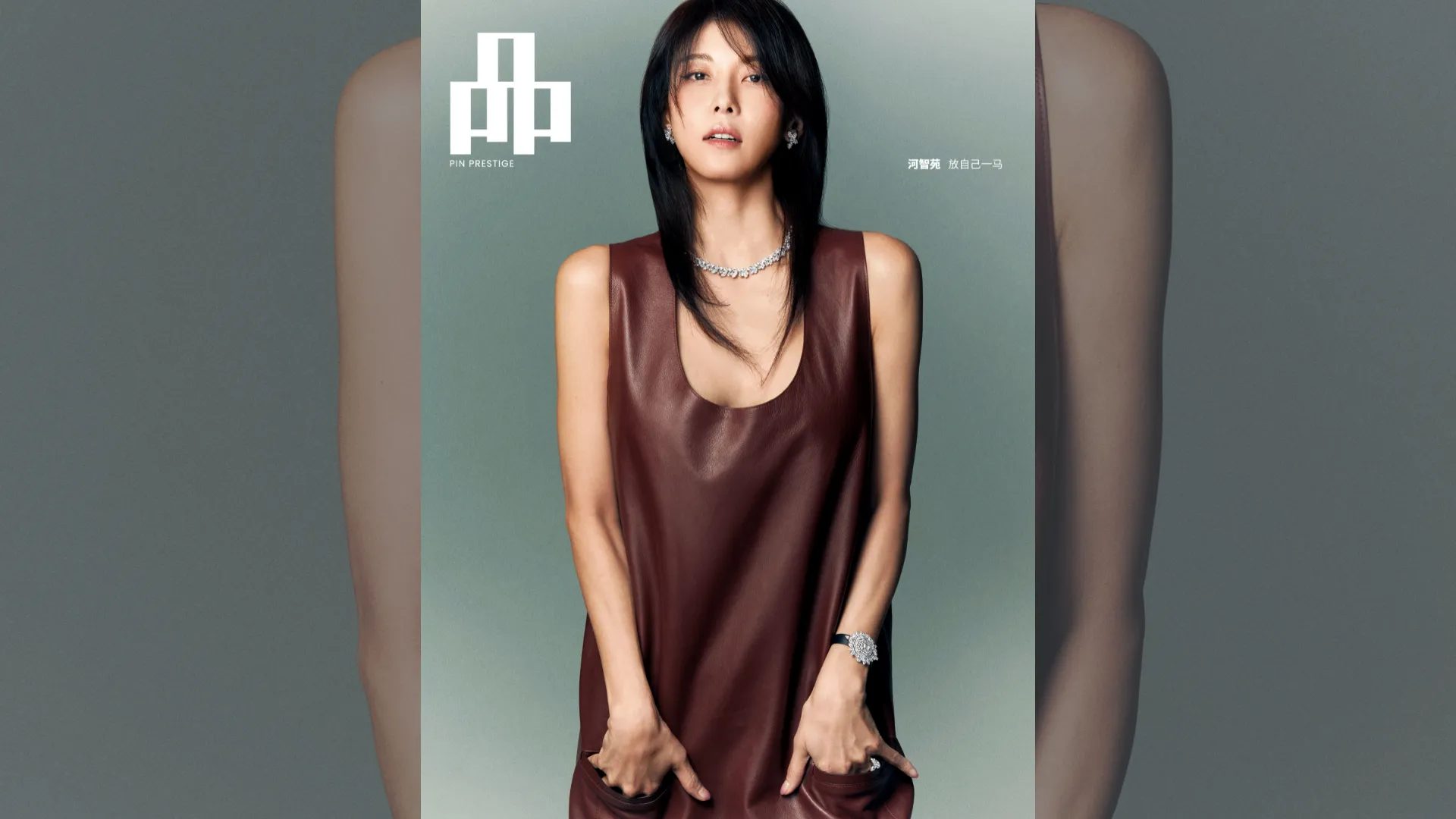
第一次在新加坡展出畫作,演員與畫家有何差別?問河智苑。她說了好多好多,千言萬語化成檸檬……
Text 陳寶珠
Photography JOEL LOW
每當提到河智苑Ha Ji-won,腦海裏浮現的往往是《祕密花園》裏倔強的吉羅琳,《奇皇后》、《黃真伊》裏又狠又美的奇女子。她接下的角色,總帶着不服輸的鋒芒,陪很多人走過一整個韓劇盛世。
距離上次爲《奇皇后》來新加坡宣傳,已走完一輪生肖。神奇的是,時間繞了一大圈,她卻像躲過了歲月,輪廓未改,靈氣依舊。
但這一次再見,她不再只是韓劇女神,而是多了一個身份:帶着畫作而來的藝術家。
此行河智苑出席新加坡藝術周,參與韓國藝術項目“K-Art:Contemporary Inner Scapes-Moment&Face”,這是她首次以畫家身份在東南亞展出作品。
離開鏡頭,她把這些年累積的情緒與感受,用畫說話。
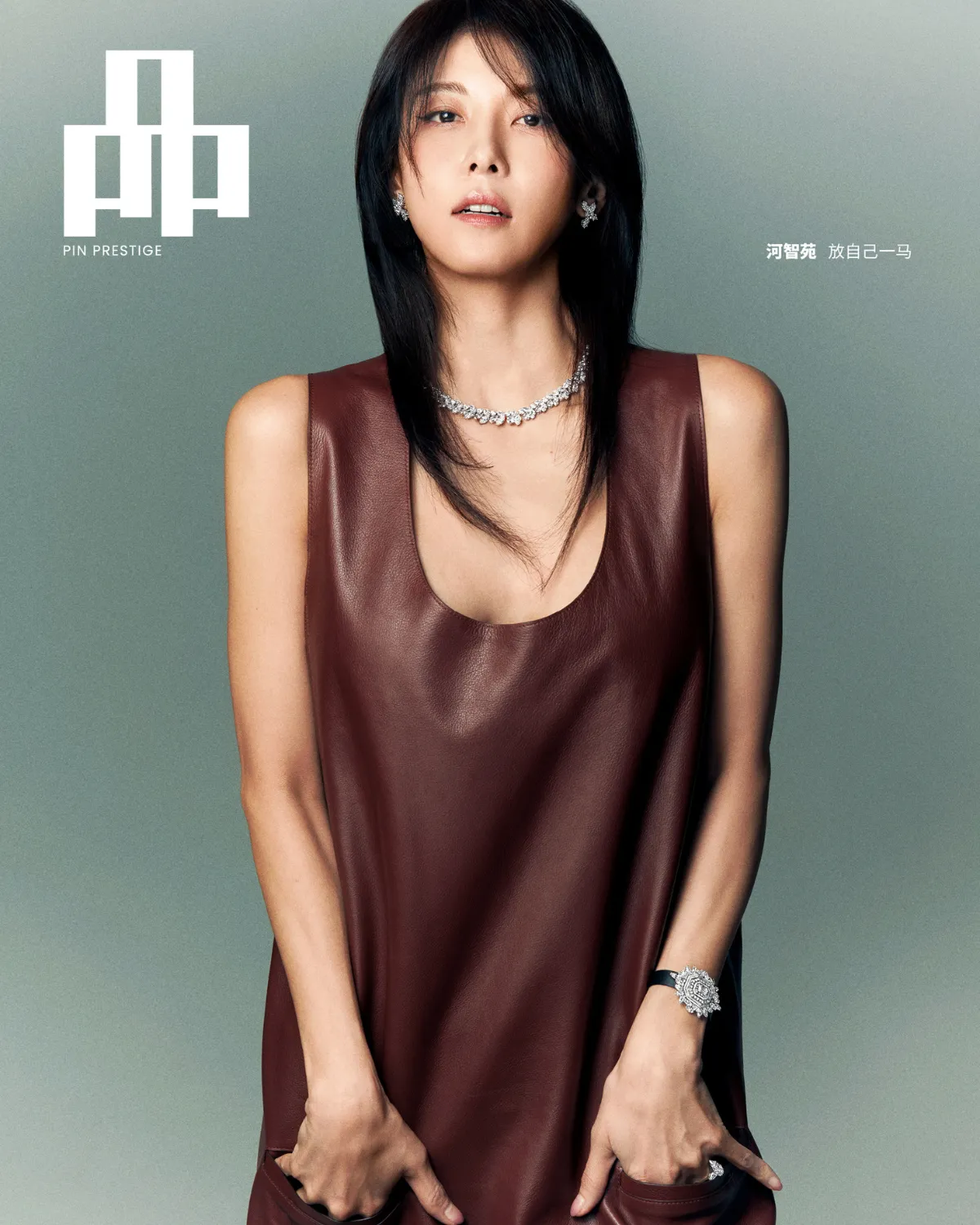
珠寶&腕錶 HARRY WINSTON
鬆弛有度
從早上8點半開始,直到下午4點,她已經在鏡頭前站了大半天。換造型,換燈位,換情緒,一輪接一輪,始終高度配合。坐在我面前時,她臉上依然帶着笑,眼睛亮亮的,零疲態。
這種狀態很河智苑。不是硬撐,而是長期運動與身心自律養出的鬆弛感。拍照時,她露出結實腹肌,腿部與手臂線條也乾淨有力,讓我和美術總監忍不住在旁小聲讚歎。
47歲的河智苑美得發光。那種光是由內而外的能量。
訪問在一個安靜的房間進行。沒有經紀團隊環伺,沒有隨時準備插話的干擾。只有她、我、翻譯者。
做了多年韓星訪問,這種清靜狀態很難得。以往總有一排人圍坐監督,確保回答都在安全範圍內。但這一天,門關上,空氣和防備都鬆了下來。
回答每個問題前,她都會先停下來想一想。聽起來,不是那些訓練有素的漂亮話,而是真正在對話。
日出之前
這些年,河智苑的生活節奏慢了下來。
在韓劇最風光的年代,她長期站在最耀眼的一線。從打女、藝伎到悲情皇后,演什麼像什麼,人稱“變色龍”。在事業最拼,幾乎沒停下來的那幾年,她經歷不少風雨,承受過惡評與誤解,身心一度陷入低潮。
命運沒有就此放過她。2016年父親驟逝,兩年後她又失去了摯愛的弟弟。接連失去至親,讓原本已經緊繃的狀態徹底崩塌。
近年她選擇減產,從高壓的演藝節奏裏退出來,畫畫與運動成了日常。她把說不出口的情緒,一點一點地留在畫布上,投入於藝術創作與展覽。
原本用來止痛的路,成了一條她決定認真走下去的路。
問及現在的狀態,她想了一下,形容自己像“日出之前”。
“那是一段萬物沉睡,看似靜謐的時間。實際上,地平線之下正積蓄巨大能量,準備喚醒世界。我現在也是如此,安靜,但絕非停滯,而是在爲某種開始做準備。”
那刻我發現,她不只是藝術家,某種程度上更像哲學家。
聽她細說這一路的轉變,我直覺地在採訪簿上寫下“Me”和“Feel”,還特地圈了起來。這兩個字,是這次對話最貼切的註解:
迴歸自我,感受世界。
走下舞臺
畫畫,不是臨時起意的斜槓。
河智苑小時候就愛畫畫,也喜歡拆解家裏的小電器再裝回去,不爲修理,只是想弄清楚內部如何運作。
後來她發現,演戲與畫畫其實都在做同一件事:試着理解世界,從中找到自己的位置。
真正開始頻繁創作,大約是在十年前。畫作一開始只是掛在公司牆上,無意間被策展機構注意到,才逐漸走入藝術圈視野。隨後,她與海外藝術家共同成立藝術品牌Art Space Polarpo,舉辦不同類型的展覽。
談到演員與藝術創作者的差別,她笑着說,這兩件事很不一樣。
“當演員 ,須完全進入另一個靈魂,精準傳遞情緒;產生共鳴的瞬間,成就感非常巨大。繪畫則截然不同,沒有既定角色,無須扮演任何人;畫布前只有你自己,以及最真實的思緒。”
她形容,演戲是集體創作,畫畫則是隻身承擔所有重量,過程極其孤獨。當作品被收藏,她雙手在空中比劃一個“送出去”的動作。
“雖然我沒生過孩子,但這就像把親生骨肉交託給別人。”說完,她像個孩子般笑到趴在桌上,打趣問我這比喻是不是太奇怪?
完整專訪,敬請期待2月號《品》雜誌。
造型 SHARON TULASIDAS
美術指導 IRIS NG
髮型 KIM ENCHO
化妝 SHIN HAYOUNG
造型助理 JOANZINE LEE
攝影助理 EDDIE TEO
화 속에 가득한 하지원 Ha Ji-won
2026.2.3 品 Pin Prestige Malaysia
싱가포르에서 처음으로 그림을 선보이며, 배우와 화가의 차이는 무엇일까? 하지원에게 물었다. 그녀는 많은 이야기를 쏟아내며, 결국 모든 말이 하나의 레몬처럼 응축되었다.
글: 진보주
사진: Joel Low
하지원을 떠올리면 많은 사람들이 《시크릿 가든》의 당찬 길라임을, 또 《기황후》와 《황진이》 속 강렬하고 아름다운 캐릭터들을 기억합니다. 그녀가 맡은 역할은 언제나 지지 않으려는 힘을 담고 있었고, 많은 이들과 함께 한국 드라마의 황금기를 걸어왔습니다.
《기황후》 홍보로 싱가포르를 찾았던 때로부터 어느덧 한 바퀴의 시간이 흘렀습니다. 세월은 흘렀지만 그녀의 선명한 얼굴선과 빛나는 에너지는 변하지 않았습니다. 이번에 다시 만난 그녀는 더 이상 드라마 여신만이 아니라, 그림을 들고 온 ‘아티스트’였습니다.
하지원은 이번 싱가포르 아트 위크에서 한국 미술 프로젝트 K-Art: Contemporary Inner Scapes – Moment & Face에 참여하며, 동남아시아에서 처음으로 화가로서 작품을 선보였습니다.
카메라를 떠난 그녀는 그동안 쌓아온 감정과 경험을 캔버스에 담아내며 그림으로 말합니다.
긴장과 여유
아침 8시 반부터 오후 4시까지, 그녀는 이미 하루 종일 카메라 앞에 서 있었습니다. 스타일을 바꾸고, 조명을 바꾸고, 감정을 바꾸며 끊임없이 이어지는 촬영에도 끝까지 성실히 임했습니다. 내 앞에 앉아 있을 때도 여전히 웃음을 띠고 있었고, 눈빛은 반짝이며 피곤한 기색은 전혀 없었습니다.
이런 모습이 바로 하지원답습니다. 억지로 버티는 게 아니라, 오랜 운동과 자기 관리로 길러낸 여유와 긴장감의 균형이었습니다. 촬영 중 드러난 단단한 복근과 깔끔한 팔·다리 라인은 미술 감독과 나를 감탄하게 만들었습니다.
47세의 하지원은 빛나고 있었습니다. 그 빛은 내면에서부터 뿜어져 나오는 에너지였습니다.
인터뷰는 조용한 방에서 진행됐습니다. 매니저 팀도, 중간에 끼어드는 방해도 없었습니다. 오직 그녀와 나, 그리고 통역뿐이었습니다.
수년간 한국 스타들을 인터뷰해왔지만 이런 고요한 분위기는 드물었습니다. 보통은 여러 사람이 둘러앉아 답변을 관리하곤 했습니다. 그러나 이날은 문이 닫히자 공기와 긴장도 함께 풀렸습니다.
질문에 답하기 전, 그녀는 잠시 생각을 멈췄습니다. 들려온 말은 훈련된 답변이 아니라 진짜 대화였습니다.
해 뜨기 전
최근 몇 년 동안 하지원의 삶의 속도는 느려졌습니다.
한국 드라마가 가장 빛나던 시절, 그녀는 언제나 최전선에 서 있었습니다. 액션 스타, 기생, 비극의 황후까지, 맡는 역할마다 완벽히 소화하며 ‘카멜레온’이라 불렸습니다. 그 치열한 시절, 그녀는 수많은 비바람과 오해를 겪으며 몸과 마음이 지쳐갔습니다.
운명은 그녀를 가만히 두지 않았습니다. 2016년 아버지가 갑작스럽게 세상을 떠났고, 2년 뒤에는 사랑하는 동생마저 잃었습니다. 연이은 가족의 죽음은 이미 팽팽했던 그녀의 삶을 완전히 무너뜨렸습니다.
그 후 그녀는 작품 수를 줄이고, 고강도의 연예 활동에서 한 발 물러났습니다. 그림과 운동이 일상이 되었고, 말로 표현할 수 없는 감정을 캔버스에 남기며 예술에 몰두했습니다.
처음에는 아픔을 달래기 위한 길이었지만, 이제는 진지하게 걸어가는 길이 되었습니다.
현재의 상태를 묻자, 그녀는 잠시 생각한 뒤 스스로를 “해 뜨기 전”이라고 표현했습니다.
“그건 모든 것이 잠든 듯 보이는 고요한 시간이에요. 하지만 실제로는 지평선 아래에서 엄청난 에너지가 모이고 있죠. 세상을 깨울 준비를 하는 거예요. 지금의 저는 그렇습니다. 조용하지만 멈춘 게 아니라, 어떤 시작을 준비하는 중이에요.”
그 순간 나는 그녀가 단순히 아티스트가 아니라, 철학자 같다는 생각이 들었습니다.
그녀의 이야기를 들으며 나는 무의식적으로 노트에 “Me”와 “Feel”이라는 단어를 적고 동그라미를 쳤습니다. 이번 대화를 가장 잘 설명하는 두 단어였습니다.
자신에게 돌아가고, 세상을 느끼다.
무대 아래에서
그림은 단순한 부업이 아니다.
하지원은 어릴 적부터 그림을 좋아했다. 집의 작은 전자기기를 분해했다가 다시 조립하기도 했다. 고치려는 게 아니라, 내부가 어떻게 작동하는지 알고 싶어서였다.
그녀는 나중에 깨달았다. 연기와 그림은 결국 같은 일을 하고 있다는 것을. 세상을 이해하려 하고, 그 속에서 자신의 자리를 찾는 일.
본격적으로 창작을 시작한 건 약 10년 전이다. 처음에는 회사 벽에 걸린 그림이 우연히 기획자 눈에 띄어, 점차 예술계에 알려졌다. 이후 해외 아티스트들과 함께 Art Space Polarpo라는 브랜드를 세우고 다양한 전시를 열었다.
배우와 예술가의 차이를 묻자, 그녀는 웃으며 말했다.
“배우는 완전히 다른 영혼 속으로 들어가 감정을 정확히 전달해야 해요. 공감이 생기는 순간, 성취감은 엄청나죠. 하지만 그림은 전혀 달라요. 정해진 역할도 없고, 누구를 연기할 필요도 없어요. 캔버스 앞에는 오직 나와 가장 진솔한 생각뿐이죠.”
그녀는 연기를 ‘집단 창작’이라 표현했고, 그림은 모든 무게를 홀로 감당하는 ‘고독한 과정’이라 했다. 작품이 소장될 때면, 두 손으로 ‘내어주는’ 제스처를 했다.
“아이를 낳아본 적은 없지만, 작품을 맡기는 건 마치 내 자식을 남에게 맡기는 것 같아요.” 그렇게 말한 뒤, 그녀는 아이처럼 웃으며 책상에 엎드려 “이 비유 너무 이상한가요?”라며 농담을 던졌다.
완전한 인터뷰는 2월호 《PIN》에서 확인하세요.
스타일링: Sharon Tulasidas
아트 디렉션: Iris Ng
헤어: Kim Encho
메이크업: Shin Hayoung
스타일링 어시스턴트: Joanzine Lee
포토 어시스턴트: Eddie Teo
Ha Ji-won, Entirely Within Her Paintings
2026.2.3 Pin Prestige Malaysia
For the first time exhibiting her paintings in Singapore, what is the difference between being an actress and a painter? I asked Ha Ji-won. She spoke endlessly, and all her words condensed into something like a lemon.
Text: Chan Po Chu
Photography: Joel Low
When people think of Ha Ji-won, images of the headstrong Gil Ra-im from Secret Garden often come to mind, as well as the fierce and beautiful women she portrayed in Empress Ki and Hwang Jin Yi. Every role she took on carried a sharp, unyielding edge, accompanying audiences through the golden age of Korean drama.
It has been a full zodiac cycle since she last came to Singapore to promote Empress Ki. Time has passed, yet her features and aura remain unchanged. This time, however, she is not only a K-drama goddess but also an artist, bringing her canvases with her.
Ha Ji-won attended Singapore Art Week, participating in the Korean art project K-Art: Contemporary Inner Scapes – Moment & Face. It was her first exhibition in Southeast Asia as a painter.
Away from the lens, she lets the emotions and experiences accumulated over the years speak through her art.
Grace in Balance
From 8:30 a.m. until 4 p.m., she had already spent most of the day in front of the camera—changing outfits, lighting, moods—round after round, always fully cooperative. Sitting across from me, she still wore a smile, her eyes bright, showing no trace of fatigue.
This is quintessential Ha Ji-won. Not forced endurance, but the ease cultivated through years of discipline and physical training. During the shoot, her toned abs and clean, strong lines in her arms and legs drew quiet admiration from the art director and me.
At 47, Ha Ji-won radiates beauty. It is a light that comes from within.
The interview took place in a quiet room. No entourage hovering, no interruptions. Just her, me, and the translator.
After years of interviewing Korean stars, such calm is rare. Usually, a team sits nearby to monitor every answer. But that day, the door closed, and the air relaxed.
Before answering each question, she paused to think. What she said didn’t sound like rehearsed lines, but genuine conversation.
Before Sunrise
In recent years, Ha Ji-won’s pace of life has slowed.
During the peak of K-drama, she stood at the very front line—action star, courtesan, tragic empress—earning the nickname “chameleon.” In those relentless years, she endured storms of criticism and misunderstanding, and her body and mind fell into low tides.
Fate did not spare her. In 2016, her father passed away suddenly. Two years later, she lost her beloved younger brother. Consecutive losses shattered her already tense state.
In recent years, she has reduced her workload, stepping back from the high-pressure rhythm of acting. Painting and exercise became her daily routine. She poured unspoken emotions onto the canvas, devoting herself to art and exhibitions.
What began as a way to ease pain became a path she chose to walk seriously.
When asked about her current state, she thought for a moment and described herself as “before sunrise.”
“That is a time when everything seems asleep, quiet on the surface. But beneath the horizon, immense energy is gathering, ready to awaken the world. I am like that now—silent, but not stagnant. I am preparing for a beginning.”
At that moment, I realized she was not only an artist, but in some ways, a philosopher.
Listening to her describe this journey, I instinctively wrote “Me” and “Feel” in my notebook, circling them. These two words best captured our conversation:
Returning to the self, feeling the world.
Stepping Off the Stage
Painting was never just a side hustle.
As a child, Ha Ji-won loved to draw. She also enjoyed taking apart small appliances at home and putting them back together—not to fix them, but simply to understand how they worked inside.
Later, she realized that acting and painting were really about the same thing: trying to make sense of the world and finding her own place within it.
She began creating more frequently about ten years ago. At first, her paintings were simply hung on the office walls. By chance, they caught the eye of a curatorial group, and gradually her work entered the art world’s view. Since then, she has co-founded the art brand Art Space Polarpo with international artists, staging exhibitions of many different kinds.
When asked about the difference between being an actor and being an artist, she laughed: “They’re completely different.”
“As an actor, you have to fully enter another soul and deliver emotions with precision. The moment of resonance brings enormous fulfillment. Painting is entirely different—there’s no set role, no one to portray. In front of the canvas, it’s just you and your most honest thoughts.”
She describes acting as collective creation, while painting is bearing all the weight alone. The process, she says, is profoundly solitary. When a work is collected, she gestures with her hands as if sending something away.
“Though I’ve never had children, it feels like entrusting my own flesh and blood to someone else.” Then she bursts into laughter, collapsing onto the table like a child, teasing me: “Is that metaphor too strange?”
The full interview will appear in the February issue of PIN magazine.
Styling: Sharon Tulasidas
Art Direction: Iris Ng
Hair: Kim Encho
Makeup: Shin Hayoung
Styling Assistant: Joanzine Lee
Photography Assistant: Eddie Teo
Comment コメント